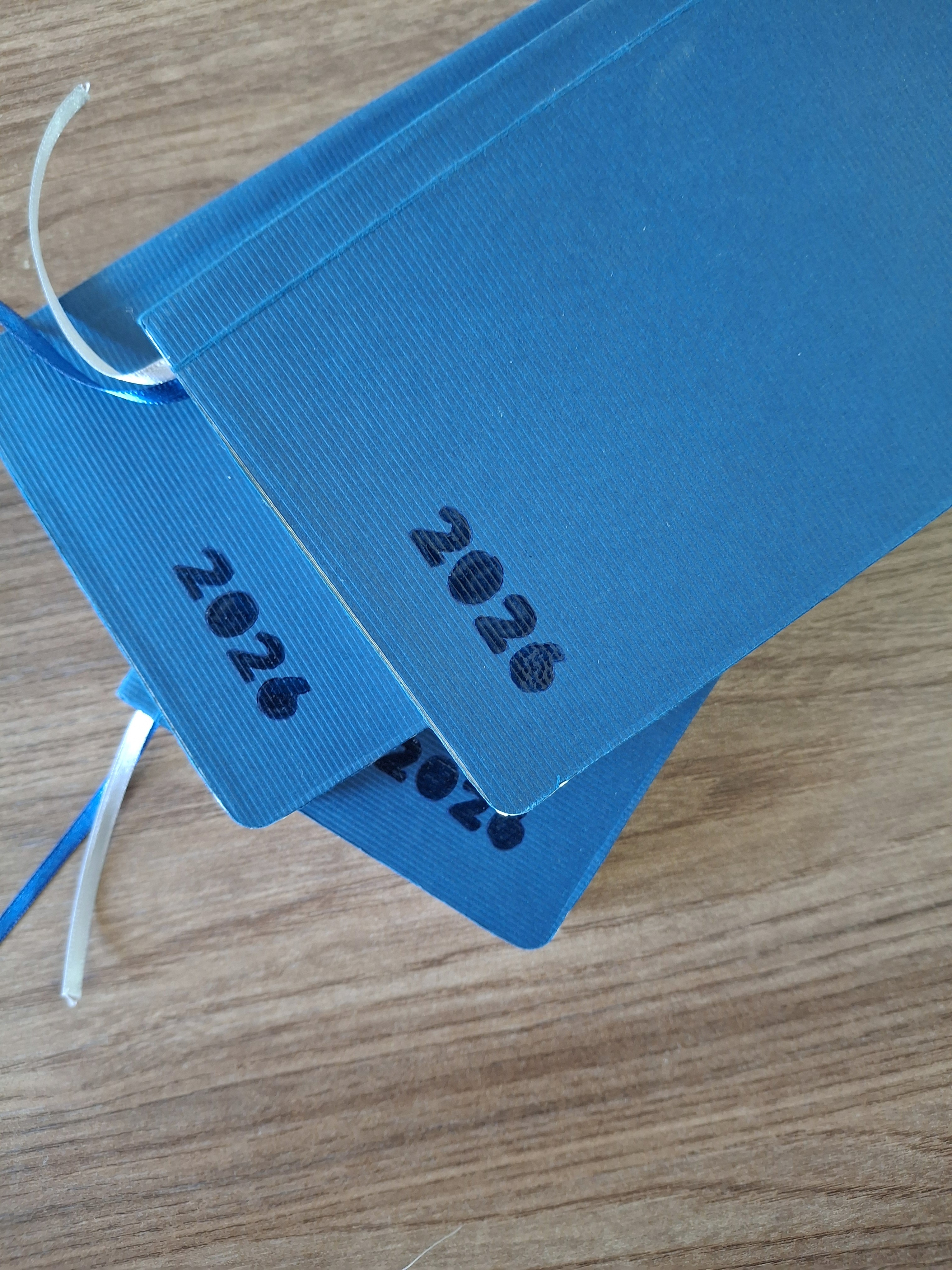
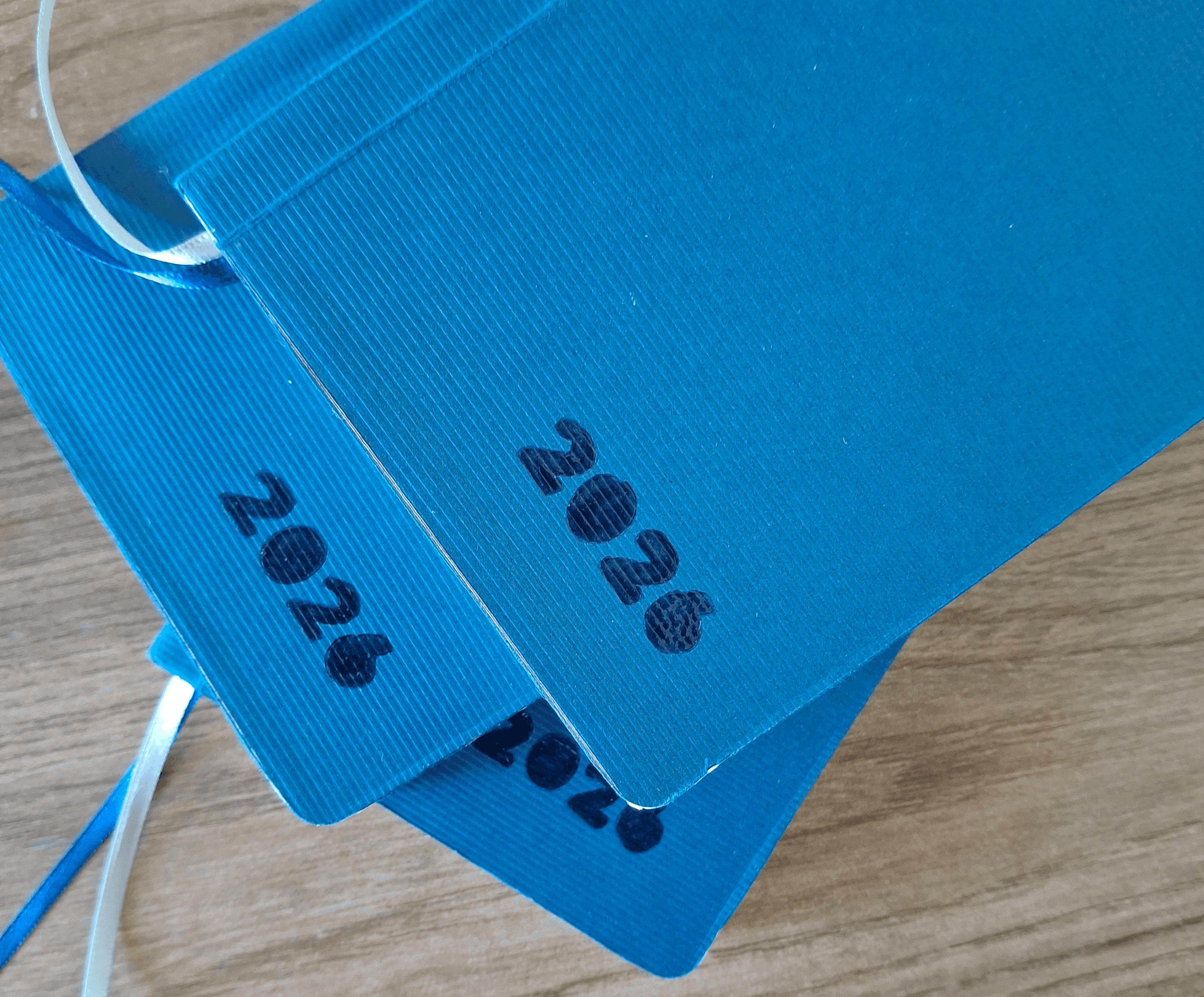
Azul Visual Systems
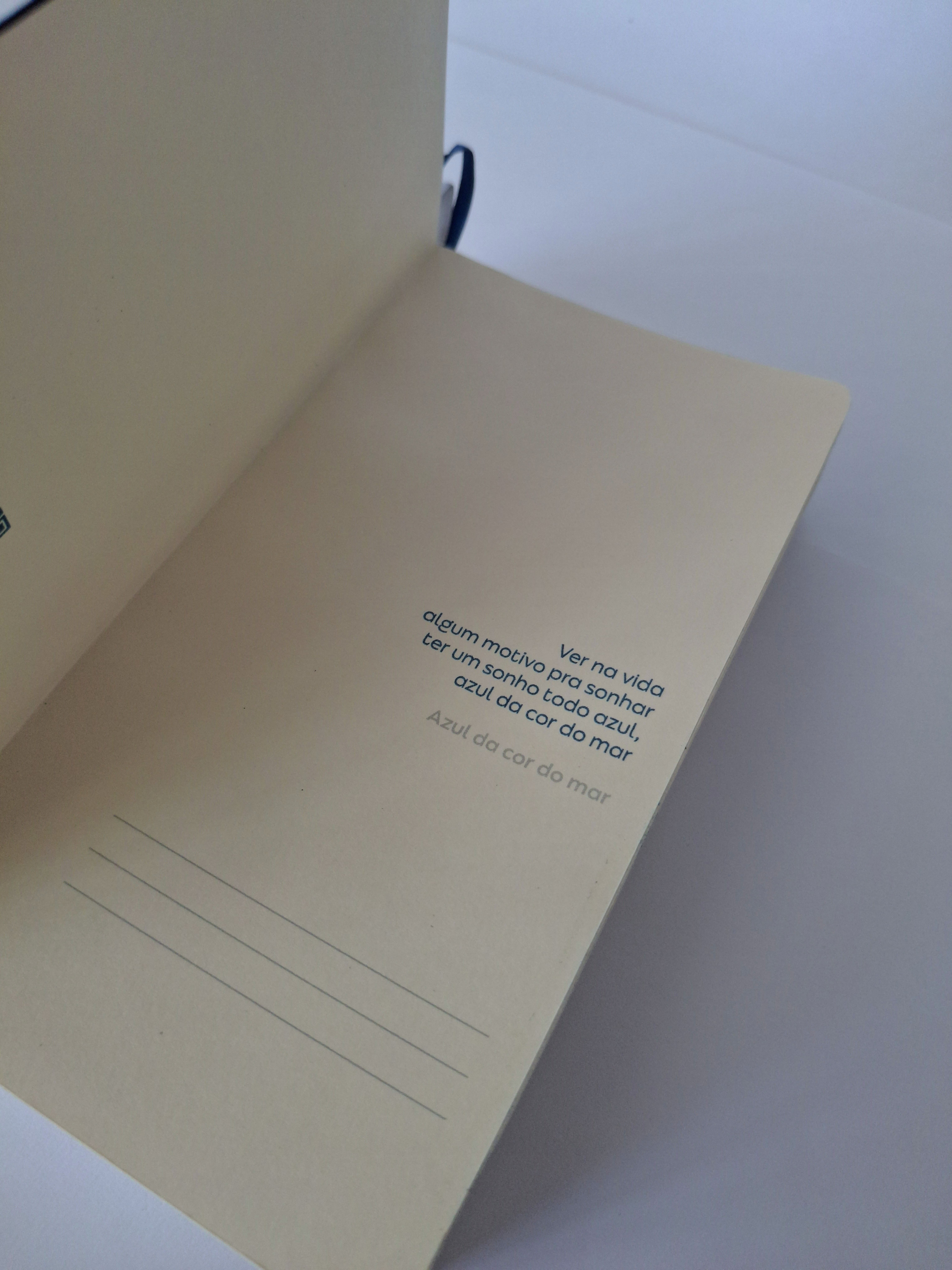
Azul is an editorial design project focused on visual systems, information organisation and long-form content design. The project was conceived as a flexible printed system, capable of adapting to different usage needs while maintaining clarity, consistency and visual coherence across a large volume of content.

ROLE
PROBLEM
The challenge was to design a long-form printed object that could adapt to different modes of use and content needs without becoming rigid or prescriptive. The system needed to support planning, note-taking and reference content, allowing users to appropriate the structure in their own way while preserving visual consistency and usability.
DESIGN FOCUS
Flexible editorial system
Adaptable content structure
Typographic hierarchy
Print-ready consistency
Designing for Flexible Use
The project began with a focus on how a printed object could support different forms of use over time. Rather than defining a fixed way of interaction, the system was designed to accommodate planning, notes and personal organisation according to individual needs.
Content types, reading flow and usage scenarios were analysed to ensure the structure could be appropriated by users in multiple ways, without losing clarity or visual coherence.

Designing for Adaptability
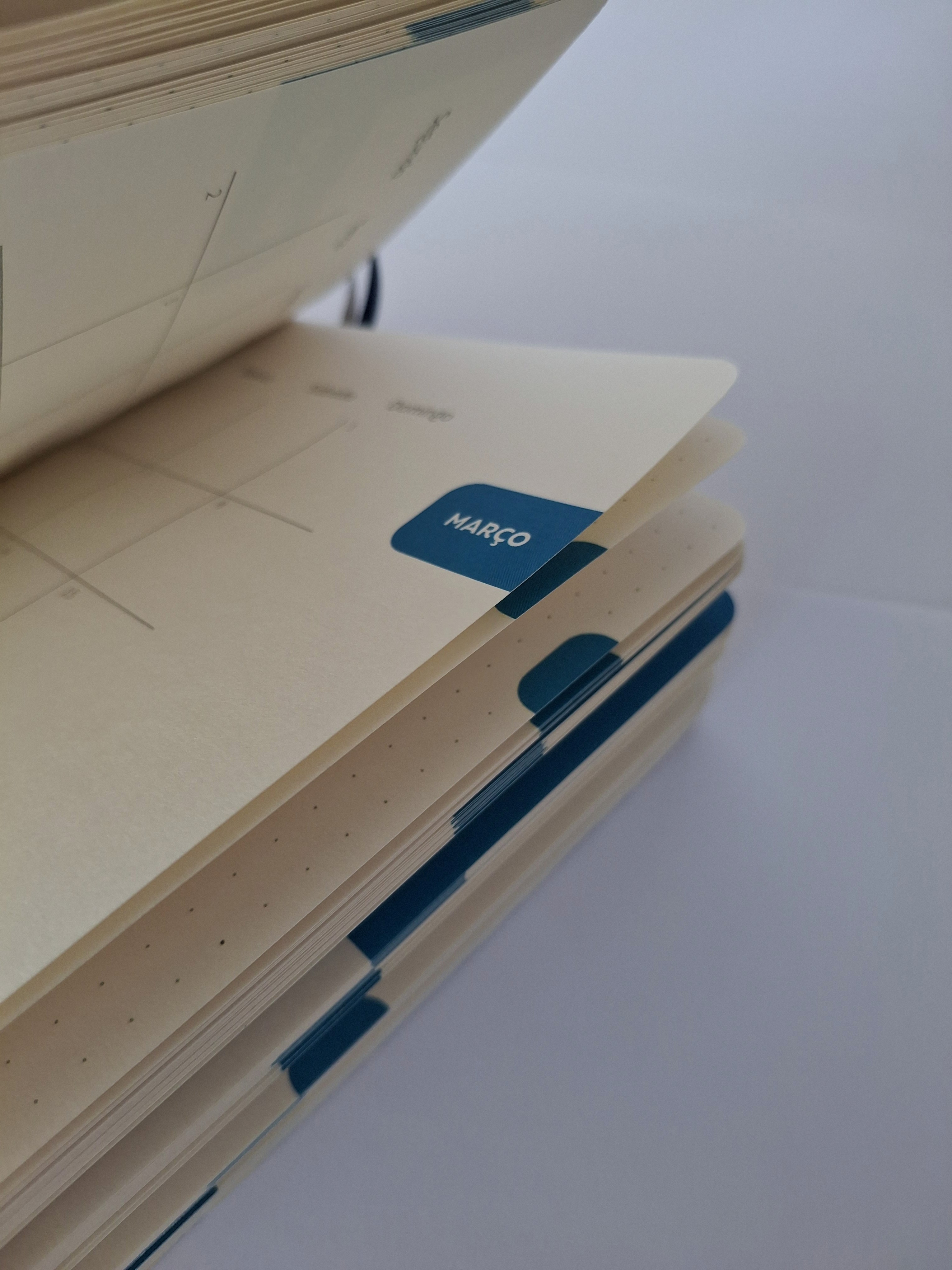
The visual system was designed to remain flexible rather than prescriptive. A structured yet adaptable grid allowed different types of content to coexist, supporting variations in density, rhythm and usage without compromising coherence.
Typography and spacing were carefully calibrated to guide reading and navigation while leaving room for personal interpretation. This approach ensured the planner could be used in multiple ways — as a planning tool, a notebook or a reference object — adapting to individual needs over time while maintaining visual consistency.



In Conclusion
The final result is a flexible editorial system designed to support multiple uses while maintaining structure, clarity and consistency. The project reflects my approach to visual systems: adaptable, user-oriented and grounded in real production contexts.